Leaving Cats Home Alone
21.04.2026 - Reading time: 9 minutes
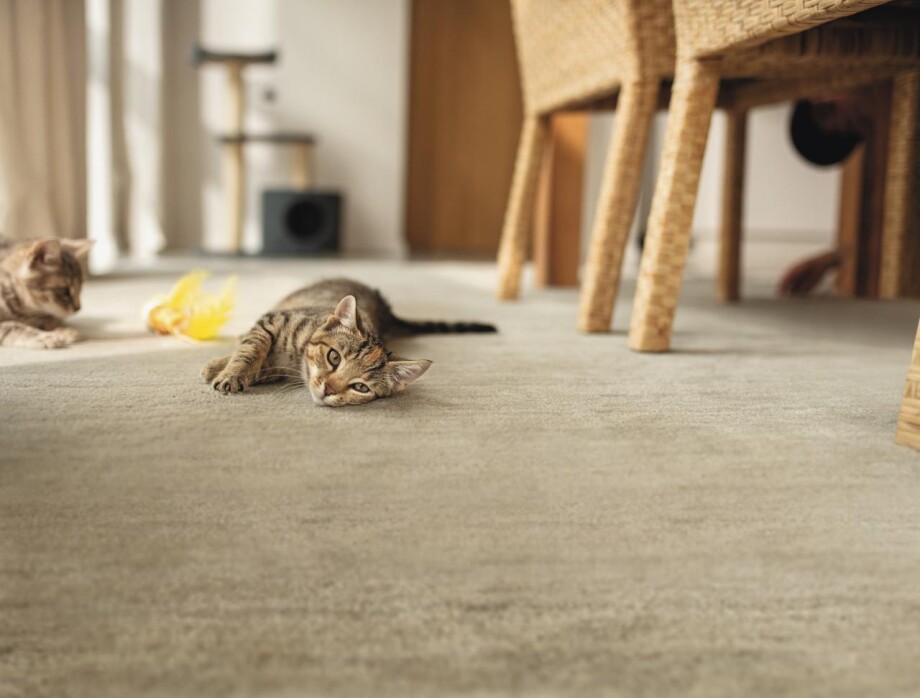
Anyone who keeps pets takes on responsibility: care and attention must be guaranteed. Besides these basics, cats naturally expect attention from their humans in the form of talk, petting, and playtime. However, there are times when you have to leave your cat alone for a while. Learn how to get your feline friend used to being alone and what measures you can take to make life pleasant for your cat when they have the house to themselves.
- Work, Vacation, Emergency: Can I Leave The Cat Alone?
- A Question Of Psychology: Is It Okay To Leave Cats Alone?
- How Long Can Cats Be Left Alone For?
- Can You Leave Two Cats Alone Together?
- Leaving An Outdoor Cat Alone: What Needs To Be Considered?
- Can I Leave My Cat Alone After Surgery?
- How Do You Get Kittens Used To Being Alone?
- Step by Step
- What To Do If Your Cat Is Wreaking Havoc
- How To Keep Unattended Cats Occupied
Work, Vacation, Emergency: Can I Leave The Cat Alone?
Fortunately, cats are animals that can usually manage several hours a day alone without any problems. Leaving your cat alone to run errands or do work is therefore acceptable under certain conditions. The reason for your absence is crucial in determining this.
- Work: A cat can adapt well to an absence that is limited and fixed.
- Overnight: Even if you spontaneously decide to spend the night elsewhere, the duration of your absence is short enough to be tolerable for a cat.
- Over the weekend: As long as the supply of food and water is ensured, most house cats will be able to cope.
- Vacation (or other planned absences): Make plans with a trusted friend, family member or animal sitter to regularly check in on your cat or even stay over for the duration of the holiday.
- Unforeseen events (hospital, accident): Make an emergency plan with family, neighbours or friends to ensure care is arranged in case you unexpectedly have to leave the cat alone.
Whatever the reason, if leaving the cat alone is unavoidable, you must make careful preparations to make the time without you as pleasant as possible for your cat.
A Question Of Psychology: Is It Okay To Leave Cats Alone?
The long-held belief that cats are solitary creatures who don’t value the company of other cats or humans has thankfully been disproven. In fact, cats are extremely sociable animals that love to play and have physical contact.
There are still reasons why you can leave cats alone for a few hours each day without feeling guilty (unlike dogs). Firstly, they are independent creatures who appreciate their human’s presence but, unlike a pack animal, don’t need them around constantly. It’s different with other cats: even if the animals aren’t constantly interacting with each other, the presence of another cat is important for the feline.
Cats also spend a significant amount of time grooming themselves each day. In addition, they spend a substantial portion of the day sleeping or dozing. Your feline friend is in a resting state and therefore “busy” for between twelve and sixteen hours. If you are regularly out of the house at the same time each day, your cat will soon adapt to your daily rhythm. Its “active” periods occur when you are with it. You should use this time accordingly for extended play and cuddle sessions.
How Long Can Cats Be Left Alone For?
Assuming a comfortable environment and proper care: there’s no single answer to how long a cat can be left alone. Leaving a cat alone overnight is usually not a problem for an animal accustomed to it. Leaving a cat alone on the weekend is also manageable, but can be borderline for some cats who are very attached to their humans. Generally speaking, however, an absence of no more than 48 hours is usually acceptable for a cat.
However, the individual tolerance threshold depends on various factors:
- Character: If your feline friend is a lively, energetic creature, she will get bored of being alone faster than a peaceful sleepyhead.
- Breed: Some cat breeds are characterized by a more docile and calmer temperament than others. These include, for example, Persians, British Shorthairs, and Russian Blues. Others, such as Siamese cats or Maine Coons, are people-oriented and want to be around their humans.
- Age: A kitten or adolescent needs more attention (and supervision!) than an elderly senior.
- Companions: Another crucial factor is whether the cat has other companions, whether the animals can interact with each other – and whether they actually do! Of course, cats shouldn’t be kept alone. However, there are cases where a cat is completely incompatible with other cats, or situations where an active and a more sedentary cat live together, resulting in less interaction. This shifts the “stimulation” needs of each individual animal.
Regardless of your cats’ specific circumstances, you should avoid leaving them alone for more than two days if possible. You can learn more about the potential effects of prolonged periods of isolation on a cat below.
Two cats cope better with loneliness together than a single cat fixated on humans. However, it’s essential that you arrange for someone to look after the cats. This person shouldn’t just pop in briefly to refill the food bowl and clean the litter box . They need to set aside enough time to actively spend time with the cats, giving them cuddles and playing with them, in addition to providing basic care.
If those staying at home receive at least an hour’s visit daily from a trusted and person, your longer absence is not ideal, but justifiable.
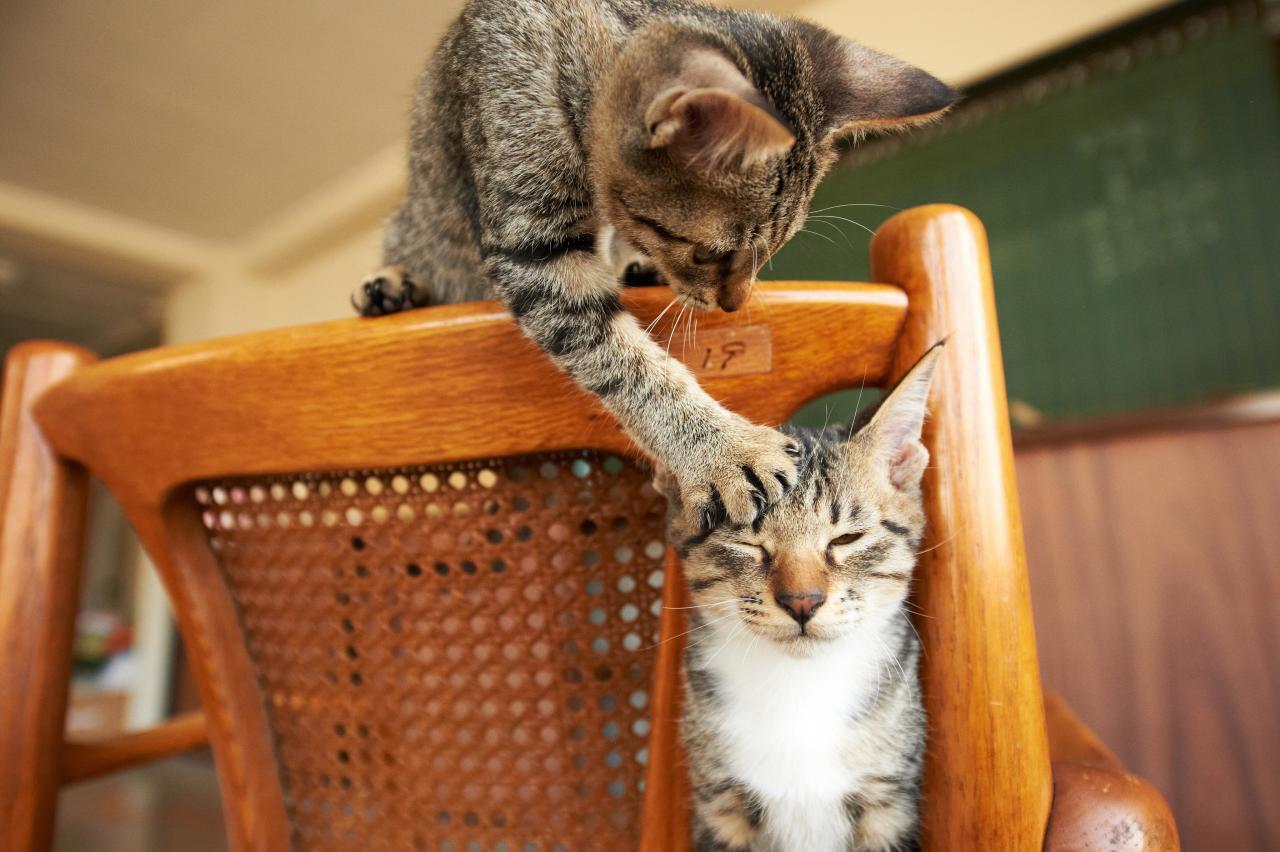
Do you own a cat that enjoys going outdoors? Except for periods of bad weather when your garden feline prefers the comfort of its sleeping spot , there’s little risk of boredom. Outdoors, it always has variety and contact with other free-roaming cats. Nevertheless, your cat will appreciate it if a “cat sitter” spends time with it and cuddles it when they meet.
It’s important that the outdoor cat has unrestricted access to the apartment at all times via a cat flap. Please ensure electronic cat flaps are fully functional to ensure the animal isn’t inadvertently locked out permanently due to a technical malfunction. Explore our range of pet doors here.
One particular situation where your cat should never be left unattended is the period following surgery. While cats usually have to wear a cone afterward to prevent them from reaching the stitches, a flexible animal can easily free itself and scratch the wound. A human should also keep an eye on any after-effects of the anesthesia. If you can’t be there yourself and distract your feline patient at the right moment, a cat sitter will have to step in.
The same applies, of course, if the cat needs to take medication or has a condition that requires quick human intervention, such as epilepsy .
To avoid worrying during your absence, get your cats used to being alone from a young age.
For kittens, regardless of whether they come from a breeder or a shelter, they shouldn’t be left alone during the first few weeks in their new home. The kitten needs to establish a stable relationship with you first. Sudden separation can shatter their trust and trigger separation anxiety. This has negative consequences for the kitten’s development and can lead to undesirable behaviours.
Don’t leave the kitten alone for the first few weeks. Only after two to three weeks should you start leaving it unattended for a few hours at a time. Gradually increase the duration of your absence until it reaches several hours. The kitten needs to be sure that you will reliably return.
You should avoid adopting a kitten right before a trip. Plan enough time for the kitten to settle in and be trained – this includes more than just training it to be alone.
To teach a kitten or cat to stay alone, proceed in very small steps. If you’re usually at work during the day, ideally, coordinate the arrival of your pet with your vacation. This will give you enough time and peace for this important training. Keep in mind that it can take several weeks for your feline friend to truly get used to being alone.
- Increase the time: Initially, leave your home for only a few minutes and stay nearby. Start with five minutes, for example, and gradually increase your absence by a quarter of an hour, then by half an hour, and finally by an hour.
- Reward: If the cat stays calm and well-behaved in the apartment, reward it with petting, play, or a treat upon your return .
- Consequence: Does your cat meow and protest when you leave the apartment? It might be difficult, but the most effective thing to do is ignore the meowing. Don’t return to the apartment until it’s quiet again. If you give in and react to the cat’s wailing, the cat will learn that it can “call you back”—and will become frustrated when you don’t.
Of course, you can’t stand outside the door the entire time during training. But there are technological aids you can use to monitor what’s happening inside. For example, you could install a simple webcam or, in a smart home, an indoor security camera to keep an eye on your cat. This is also handy if you want to check on your furry friend via an app while you’re out or at work. For situations closer to home, a repurposed baby monitor can be quite useful, for instance, while you’re waiting in the garden.
noreefly / stock.adobe.com
Do cats get “sad” when left alone at home while you’re at work? In fact, cats that are under-stimulated or haven’t developed trust in their owner’s return can exhibit negative behaviours. These can often be interpreted as “sadness” or, more frequently, as “defiance.”
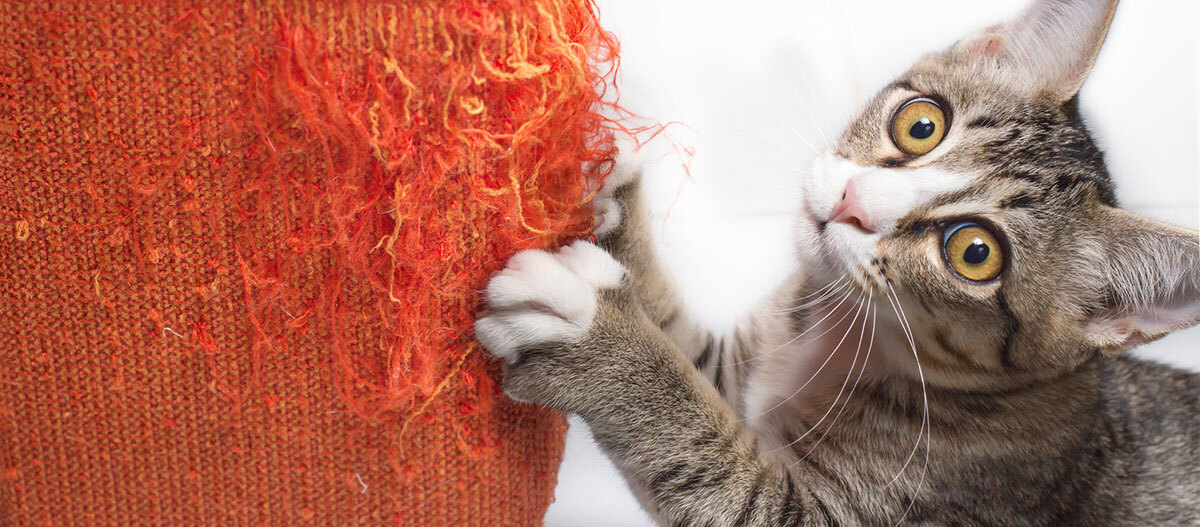
Cats that are not used to being alone and cannot fill the time with rest or independent activities quickly become frustrated. One way a cat might express its displeasure is the infamous ” protest peeing .” Other animals tend to vandalize, scratching furniture and making a lot of noise. This may be accompanied by constant, irritating meowing, which can very quickly lead to neighbourly disputes in an apartment building.
When such extreme behaviour is observed, consider whether there is a fundamental problem with the cat’s living conditions. Does she have a companion or access to the outdoors? Does the apartment offer sufficient stimulation, such as access to different rooms, a balcony, a window seat, and cat furniture like climbing structures such as scratching posts? Any toys available to her must be usable without human intervention. Suitable options include balls that roll away , play arches, or puzzle toys .
Are you really giving your little rascal enough attention? You can tire him out with plenty of hunting and action games before you leave the house. He’ll then rest and be happy to receive your attention, playtime, and petting when you return.
Caution : Persistent extreme behaviour, possibly coupled with overt aggression, can also be a symptom of an illness or a deeper psychological problem. Discuss this with your veterinarian or consult an animal behaviourist.