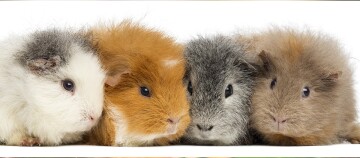
Abyssinian guinea pigs – friendly, cheeky little rascals with windswept hairdos.
23.07.2026 - Reading time: 4 minutes
GlobalP / iStock / Getty Images Plus via Getty Images
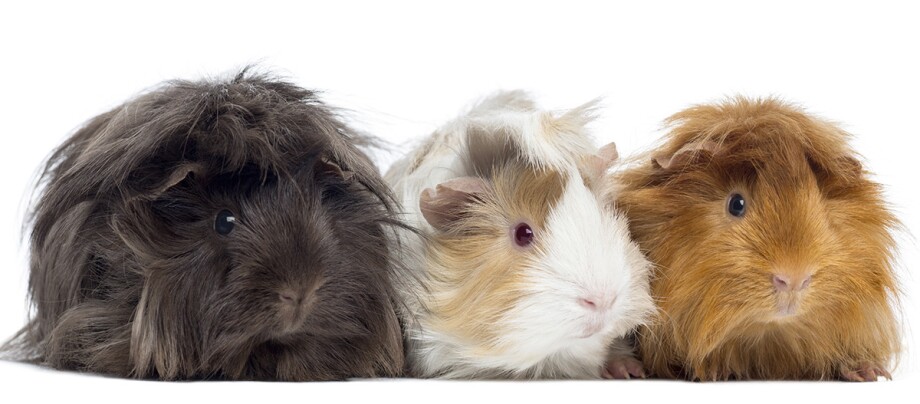
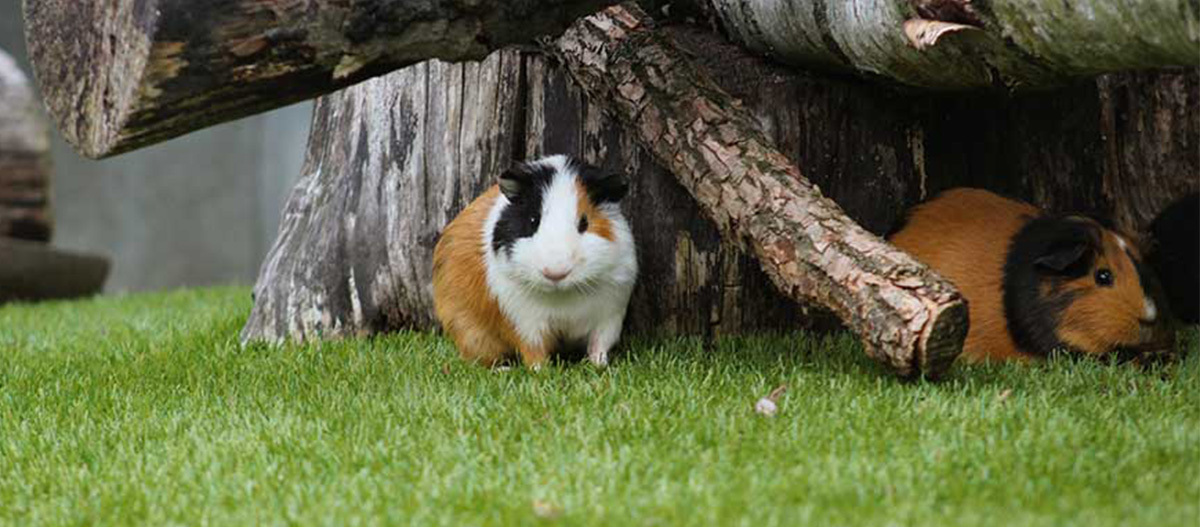
When looking at an Abyssinian guinea pig, the small rodent’s distinctive coat immediately catches the eye. Its firm-textured fur grows in whorls across its body. According to the breed standard, an Abyssinian should have eight to ten of these rosettes: four on the body and two each on the hips and hindquarters. Cheek tufts or a rosette above the nose may also occur. Yet, even if there are too many rosettes or the symmetry of the hair patterns is imperfect, choosing an Abyssinian means welcoming a lovable and affectionate companion into your home.
The Origin of the Rosette Guinea Pig
The rosette guinea pig—known internationally as the Abyssinian—is one of the oldest systematically bred guinea pig breeds. However, the origin of its name—derived from Abyssinia (modern-day Ethiopia)—remains unclear, given that there was never any doubt about the rodent’s South American roots. Thanks to its distinctive coat, the rosette guinea pig became popular in Victorian England, which is where targeted breeding according to breed standards began. Rosette guinea pigs also exist among long-haired varieties; depending on their appearance and color, these are known as Peruvian or Angora guinea pigs.
Species-appropriate husbandry
To ensure your Abyssinian guinea pig feels at home, it needs at least one—and ideally two—companions of its own kind; these can be guinea pigs of other breeds, but not other types of small animals. Guinea pigs are social, herd-oriented animals; keeping one alone or housing it with a different species, such as a rabbit, is not appropriate for their needs.
You can keep Abyssinian guinea pigs indoors or in an outdoor enclosure in the garden; if kept outdoors, they should be in a group of at least three. Additionally, elderly, frail, or sick animals are best kept indoors. An appropriately sized cage is essential—the minimum requirement is two square meters for two animals—or, for year-round outdoor living, a hutch that offers secure protection from wind and weather as well as adequate shade. For the cage or enclosure, you will need suitable bedding and enough large hiding spots for all the animals. If keeping them outdoors, ensure the animals always have access to a shaded area where they can retreat.
The Nature and Behavior of the Abyssinian Guinea Pig
Abyssinian guinea pigs don’t just look amusing; they also stand out for their friendly, lively personalities, making them popular with children. They are considered somewhat more energetic than other breeds—small animals that know exactly what they want and have a mind of their own. They are also inquisitive and show little shyness around people they know well. You should exercise some care when petting them, however: due to their unique coat structure, Abyssinians find it unpleasant to have their fur stroked against the grain.
Can you train an Abyssinian guinea pig?
Abyssinian guinea pigs are lively and sociable. With enough interaction and a little patience—plus some bribery in the form of species-appropriate treats—you can teach them a few tricks. Before long, for instance, the guinea pig will respond to its name or come in and out of its cage when called.
The diet plan for the Abyssinian guinea pig
There are no significant differences regarding the appropriate diet for Abyssinian guinea pigs compared to other breeds. The most important food source is high-quality hay—ideally with long fibers—which must be available to the animals at all times. Guinea pigs also have a high requirement for Vitamin C, which they must obtain through their diet. Therefore, offer your Abyssinian guinea pigs fresh food daily, such as grass, herbs, and various vegetables. Additionally, the animals need soft wood and fresh twigs to gnaw on. Guinea pigs only require a small amount of grain-based feed during winter if kept outdoors year-round, in order to build up energy reserves; grains are unnecessary for indoor guinea pigs.
Is an Abyssinian guinea pig suitable as a pet?
The Abyssinian guinea pig is an uncomplicated member of its species. It is considered low-maintenance and is an excellent choice, especially for those new to keeping guinea pigs. Individuals with longer fur require a little extra grooming: brush the animals regularly and gently with a soft brush or a small plastic comb to prevent matting.
Please ensure responsible breeding practices: “Roan” guinea pigs (like Dalmatian guinea pigs) carry a so-called lethal gene known as the Roan factor (Rn). Mating two animals that both carry this gene can result in the death of the offspring or severe disabilities. Breeding should therefore strictly be left to experienced breeders.
NewsletterAbyssinian guinea pigs
Size: | Body length of 20 to 25 centimeters |
Weight: | 800 grams to 1,400 grams |
Colour varieties: | Red, white, black, tricolor spotted, roan patterns, and tortoiseshell |
Coat texture: | Fine hair with characteristic whorls, coat length approximately 3.5 centimeters |
Anatomy: | Short, broad, and muscular; rounded muzzle |
Character: | Lively, affectionate |
Life expectancy: | 6 to 8 years |
Special features: | Don't stroke against the grain |