Guinea pigs: Setting up the enclosure and cage – key tips
23.07.2026 - Reading time: 15 minutes
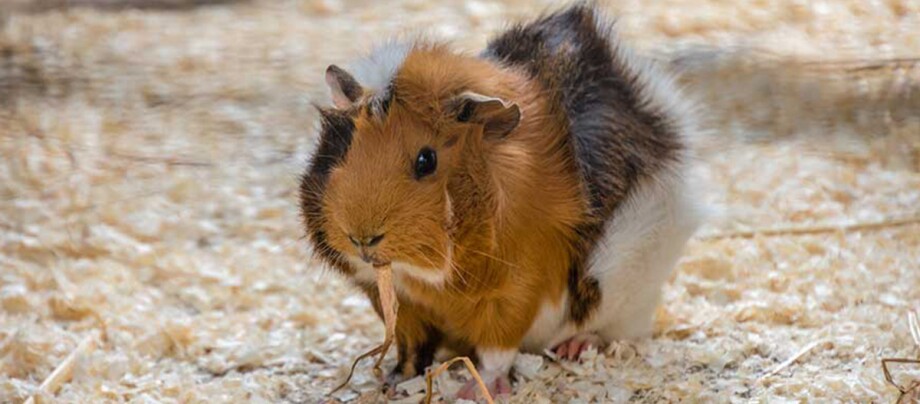
Ian Fox / iStock / Getty Images Plus via Getty Images
Guinea pigs are among the most popular small pets. Watching these lively rodents from South America interact with one another is both exciting and entertaining. They make suitable pets for older children who know how to handle them gently and carefully. However, to ensure the animals feel truly at ease, you need to provide the right environment for your "herd." Alongside good food and proper care, adequate space is essential for keeping guinea pigs in a species-appropriate way. Here, you will learn how to set up enclosures and cages for them.
How to set up a guinea pig cage
Guinea pigs are animals whose wild relatives inhabit natural environments in dry grasslands, semi-deserts, and mountainous regions. They spend the majority of the day foraging for food. Guinea pigs are active creatures that roam a wide area around their burrows, covering several kilometers each day. Consequently, they need space to move around—and to get out of each other’s way. The more space available per guinea pig, the better. This also applies to the guinea pig cage, which should not, of course, be viewed as a place for them to spend all their time. When kept indoors, the cage serves as a secure enclosure for times when safe, supervised free-roaming is not possible. To ensure the animals feel comfortable while in the cage, you should set it up to be as animal-friendly as possible and tailored to their specific needs.
What dimensions should a guinea pig cage have?
Extra-large is just right: The minimum dimensions (!) for a cage housing two guinea pigs are 60 centimeters in width and 160 centimeters in length. For each additional animal, you must add half a square meter of floor space.
Tip: Add a second level to the cage by installing a thin board halfway up and attaching a ramp leading to the cage floor. This gives the animals the opportunity to get out of each other’s way if needed.
What furnishings should go in the guinea pig cage?
Tension can sometimes arise within groups of guinea pigs. Separate shelters and hiding places are therefore crucial for the animals’ well-being. Just as you might withdraw when you need some time to yourself, guinea pigs also want peace and quiet now and then. Provide each animal with its own little house featuring two entrances. This second “emergency exit” is necessary so the guinea pig does not feel cornered.
All shelters should be made of untreated wood, as guinea pigs are rodents that will gnaw on anything they can get their teeth into. If a house is made of plastic, tiny plastic fragments could end up in the guinea pig’s stomach or cause injuries to the mouth, throat, and gullet. Keep a species-appropriate diet in mind when setting up the cage, and be sure to include a hay rack. Hay is the most important food for your animals—provide fresh hay several times a day. The rack must be hung high enough to prevent the hay from touching the floor and coming into contact with the guinea pigs’ droppings in the bedding.
Important: The bars of the hay rack must not be spaced so widely that a guinea pig could stick its head through and get it stuck.
Also, provide a bowl where you regularly place other guinea pig foods, such as vegetables, pieces of fruit, and pellets. Fill a second bowl with drinking water and change it several times a day. If you prefer using drip-feed water bottles, make sure they are mounted at a height that is easily accessible for the guinea pig.
Keeping guinea pigs in an indoor enclosure is far better than using a cage—more on that below.
The right bedding for guinea pigs
What is the best bedding for guinea pigs? This is an important consideration, as there is a wide variety of substrates available for guinea pig cages and enclosures at various price points. Bedding is a significant cost factor in guinea pig care. However, not every type of product is suitable for meeting guinea pigs’ specific needs.
You can choose from various types of absorbent bedding (such as softwood shavings or chips, hemp, or corn granules). When selecting bedding, it is crucial to look for low-dust options. Bedding materials like “standard” wood shavings or clay granules generate a lot of dust and are therefore unsuitable for sensitive guinea pig noses.
The bedding must also be comfortable for the guinea pigs’ paws. Highly absorbent bedding that has a less-than-ideal texture (such as softwood granules, wood or straw pellets, or silica-based litter) should therefore be covered with a layer of “comfortable” top bedding.
In addition to highly absorbent bedding, you can use straw pellets or softwood granules as a base layer, topped with hemp bedding or soft straw. Guinea pigs often enjoy nibbling on the latter and using it as a hiding spot. A multi-layered bedding system like this is recommended to prevent micro-injuries and footpad problems. Ensure that the top layer cannot shift during energetic running and playing, which could leave the animals walking on the hard cage floor. Spread the bedding to a depth of about five centimeters across the entire cage or enclosure.
Enrichment for guinea pigs
Guinea pigs are curious and playful creatures. When setting up their cage, keep in mind that these rodents need a variety of ways to stay occupied.
- Adorable hiding places: Since these animals love to hide, you can provide tunnels and bridges—ideally made of grass, hay, or wood so they can safely nibble on them. Most guinea pigs love tubes made of hay or herbs, which they gradually dismantle and eat. Plush fabric caves are less suitable; the animals’ claws can get caught in the material, potentially causing injury.
- Safe wood: It is best to buy small-animal toys from a pet store; if you gather materials from nature, make sure to research which types of wood are safe. Fruit tree wood, such as apple wood, is a good choice. Oak branches can be given in small quantities, but too much may cause diarrhea, colic, or a loss of appetite. Avoid chestnut branches entirely, as both the fruit and the wood are unsuitable for guinea pigs.
- Foraging: Guinea pigs need mental stimulation. Feel free to turn foraging into a game by hiding treats in different parts of the cage or stuffing hay into a treat ball. Attach the ball to the top of the cage bars so that it swings freely; the guinea pig will have to figure out how to hold the ball steady to get to the treats inside.
Lookout spots: Guinea pigs naturally like to keep a close eye on their surroundings. Small animal houses with flat roofs or hammocks make excellent lookout spots. Just be sure not to hang hammocks too high, so the guinea pigs don’t get hurt if they fall.
Setting up a guinea pig enclosure
Now you know how a guinea pig cage should be set up. However, daily exercise outside the cage is also essential for the animals’ well-being. The best way to provide this is by using a secure exercise area—such as a guinea pig pen—equipped with the features described above. Accessories for setting up the enclosure include small animal houses (ideally with a flat roof serving as a “viewing platform,” an open bottom, and two entrances), tunnels, bridges, ramps, and plenty of toys to keep them occupied. The advantage of a guinea pig enclosure is that you do not need to keep a constant eye on these lively animals, while the furnishings and puzzle toys create a stimulating, varied environment for them.
If you have a garden, you can set up an enclosure for temporary or permanent outdoor housing. Naturally, this requires a suitable hutch and protective measures against predatory birds and other animals. If you have enough space indoors, a permanent exercise area connected to the cage offers a great alternative for keeping them inside.
How often should a guinea pig enclosure be cleaned out?
Daily: Soiled hay, leftover food, and droppings must be removed from the enclosure, cage, or hutch daily. Cleaning accessories like water bottles and food bowls every day is essential for hygiene. Bedding in areas where the animals have urinated must also be replaced daily. This initial quick clean helps prevent odors and the spread of bacteria. Tip: Favorite sleeping houses often double as preferred toilet spots.
Once a week (or immediately if heavily soiled): wash all furnishings with hot water (without using any cleaning agents). You should replace the bedding in the enclosure completely at least once—ideally twice—a week, depending on the size and composition of the group.
The Right Enclosure Size
Whether indoors or outdoors: to ensure the most species-appropriate care possible, you should set up a spacious enclosure for your “herd.” This gives you room for additional houses, hiding spots, and more, allowing you to create a real adventure world for your rodents. It is best to create multiple levels within the enclosure so each animal can retreat to its own space, but avoid building too high. Ensure that the guinea pigs cannot fall from upper levels all the way to the floor and suffer serious injuries. However, how much floor space should you plan for? How many square meters are required per guinea pig? As mentioned above, guinea pigs are social animals that live in groups and require company. The question, therefore, is: how large should the enclosure be for two guinea pigs—or for an entire group? The Veterinary Association for Animal Welfare (TVT) recommends an enclosure area of two square meters for a group of two to four guinea pigs, plus an additional half-square meter for each further animal. If you are wondering how much space is needed for five guinea pigs, the calculation comes to two and a half square meters. Note, however, that this is an absolute minimum; guinea pig experts consider it better to allocate a full square meter per animal.
The enclosure should measure at least 180 centimeters along one side so that the animals can run in a straight line over longer distances. Open areas lacking shelter are unsettling for these naturally cautious animals; therefore, you must provide ample hiding places—such as rodent tunnels, small houses, and igloos—in both indoor and outdoor enclosures.
What happens when guinea pigs have too little space?
If guinea pigs generally have insufficient cage space or lack adequate time for free-roaming exercise (at least three hours daily), they exhibit signs of stress and restlessness, and may gnaw on or destroy cage furnishings. Lacking sufficient stimulation, the animals seek alternative activities—behaviors that can prove both costly and dangerous.
A lack of space also arises when too many animals are crammed into an area that is too small. Compared to other rodents, guinea pigs maintain a greater personal distance from one another. During group interactions, it is essential that they are able to move away from each other to avoid conflict; otherwise, serious fighting and biting can occur.
Outdoor guinea pig enclosures
An enclosure is designed to allow an animal to spend time outdoors within a secure, manageable area without the risk of escape. There are various types of guinea pig enclosures:
- a permanent, year-round enclosure
- temporary outdoor housing during the summer
- a portable enclosure for occasional outdoor exercise
To create a flexible enclosure for guinea pigs, you can use ready-made outdoor runs or build a fence using suitable posts and aviary wire (do not use chicken wire!). The mesh openings should be no larger than two square centimeters, and the construction must be sturdy.
If you plan to build your own outdoor guinea pig enclosure for the garden, it must be fully protected against predators—such as cats, foxes, and birds of prey—on all sides, including the top (using wire mesh). Netting does not provide adequate security and is suitable only as a temporary measure. Remember to bury the protective wire at least ten to twenty centimeters deep into the ground around the perimeter and beneath the enclosure to prevent uninvited guests from tunneling underneath.
It is important that the enclosure offers a shaded area at all times of the day where the animals can retreat during hot weather. If there is no natural shade from trees or buildings, you must set up a sunshade or similar covering. “Aviary-style” guinea pig enclosures—spacious structures featuring solid walls, partial wire mesh, multiple levels, and an attached outdoor run—serve as excellent permanent homes for the animals, offering a superior alternative to a simple fenced-off patch of lawn. Modified and suitably equipped small-animal hutches are suitable for this purpose, though you should carefully inspect the materials and build quality; it may be worth upgrading the mesh and locks for added security.
Outdoor Bedding for Guinea Pig Enclosures
Naturally, the ground surface of an outdoor guinea pig enclosure must be suitable for the animals’ paws. In a garden, you will usually have soil and grass available; this is ideal (and nutritious) for these grassland dwellers. If the ground is stony or only a paved area is available, you will need a suitable type of bedding or ground cover.
Proven types of bedding for outdoor enclosures include weather-resistant materials such as:
- Beech wood granules
- Pine bark
- Coconut-based bedding
These materials are available in various grain sizes; always choose a coarse grade. Dust is less of an issue outdoors, as precipitation and dew bind fine particles.
Can guinea pigs be left outside overnight?
If your guinea pigs do not live outdoors year-round but only use the outdoor run intermittently, you might be wondering if they can spend the night outside. In terms of temperature, keeping guinea pigs outdoors during the summer months is generally unproblematic. However, night-time temperatures must not drop below 12°C.
That said, the animals’ safety must be guaranteed if they are to stay outside unsupervised. Prerequisites include a secure, dry outdoor hutch and a permanently installed enclosure that is protected against predators and unauthorized access.
How do I keep guinea pigs outdoors in winter?
You can keep guinea pigs in an outdoor enclosure year-round, including during the winter. In fact, keeping them outdoors has been shown to cause significantly less stress for the animals, regardless of the temperature. The prerequisite is that the animals have been acclimatized to outdoor living (and are not suddenly moved from a heated home to the outdoors in winter). Even a brief shift between outdoor and indoor temperatures causes stress and can make them susceptible to colds.
However, overwintering in an outdoor enclosure is only recommended if you keep at least three—ideally four to five—guinea pigs so they can provide each other with sufficient warmth. The shelter or hutch, where the animals can retreat at any time, must be draft-free and well-insulated. Good insulation can be achieved, for example, by lining the structure with Styrofoam or by having walls at least 15 millimeters thick.
An important feature—especially for a winter-ready enclosure—is a covered, slightly elevated feeding area that is protected from the elements; water must be protected against freezing or replaced regularly. It is advisable to provide food inside the shelter during winter so the animals do not necessarily have to leave it when temperatures are very low. Line the hutch generously with warming straw and hay.
Indoor guinea pig enclosure
A designated area where guinea pigs can roam freely indoors without constant supervision offers a crucial advantage: safety. Inside, you do not need to take precautions against birds of prey or similar threats. Furthermore, there is no immediate risk of the guinea pigs hiding under furniture, gnawing on power cables or toxic plants, or unexpectedly running underfoot. You can integrate their cage into this enclosure to serve as a shelter by using a small animal ramp. When calculating the floor space for the indoor enclosure, plan for at least half a square meter—ideally a full square meter—per animal, just as you would for an outdoor enclosure. For the perimeter, you can use boards approximately 40 centimeters high, connecting them with angle brackets or hinges as needed; appropriately shaped Plexiglass panels are also a suitable option.
Tip: You can also build the indoor enclosure at a raised height, which makes cleaning easier. As with outdoor enclosures, always ensure the indoor setup includes plenty of hiding spots (at least one per animal) and opportunities for enrichment.
Bedding for the indoor enclosure
You need a waterproof base (such as tile or vinyl) on which to place the bedding. In an indoor enclosure, you can use absorbent pads (like flannel cloths)—covered by a washable fleece blanket—instead of loose bedding for at least part of the floor area (a setup known as “fleece bedding”). This type of textile flooring is suitable for areas of the enclosure where less urine is deposited. However, you should not forgo traditional bedding entirely, as the animals also enjoy digging.
By providing a spacious cage or hutch and a generously sized, species-appropriate guinea pig enclosure, you offer these charming rodents an environment where they feel truly at home.